

Maxine Brady has stood on both sides of the location house threshold: as the stylist choosing the location, and as the Host handing over the keys. Her advice for Hosts is specific and straight shooting. Start with the crew, she says. Then leave them alone.
There are two ways to learn what a crew needs from a location house. You can host a hundred shoots and gradually work it out. Or you can ask someone who has been the crew for 20+ years. Maxine has styled for brands, magazines and TV productions since her twenties. She has scouted more location houses than she can count, and she now hosts shoots in her own Brighton location home.
She is one of few people who can tell you what goes wrong (and what good really looks like) from both sides of the doorstep.
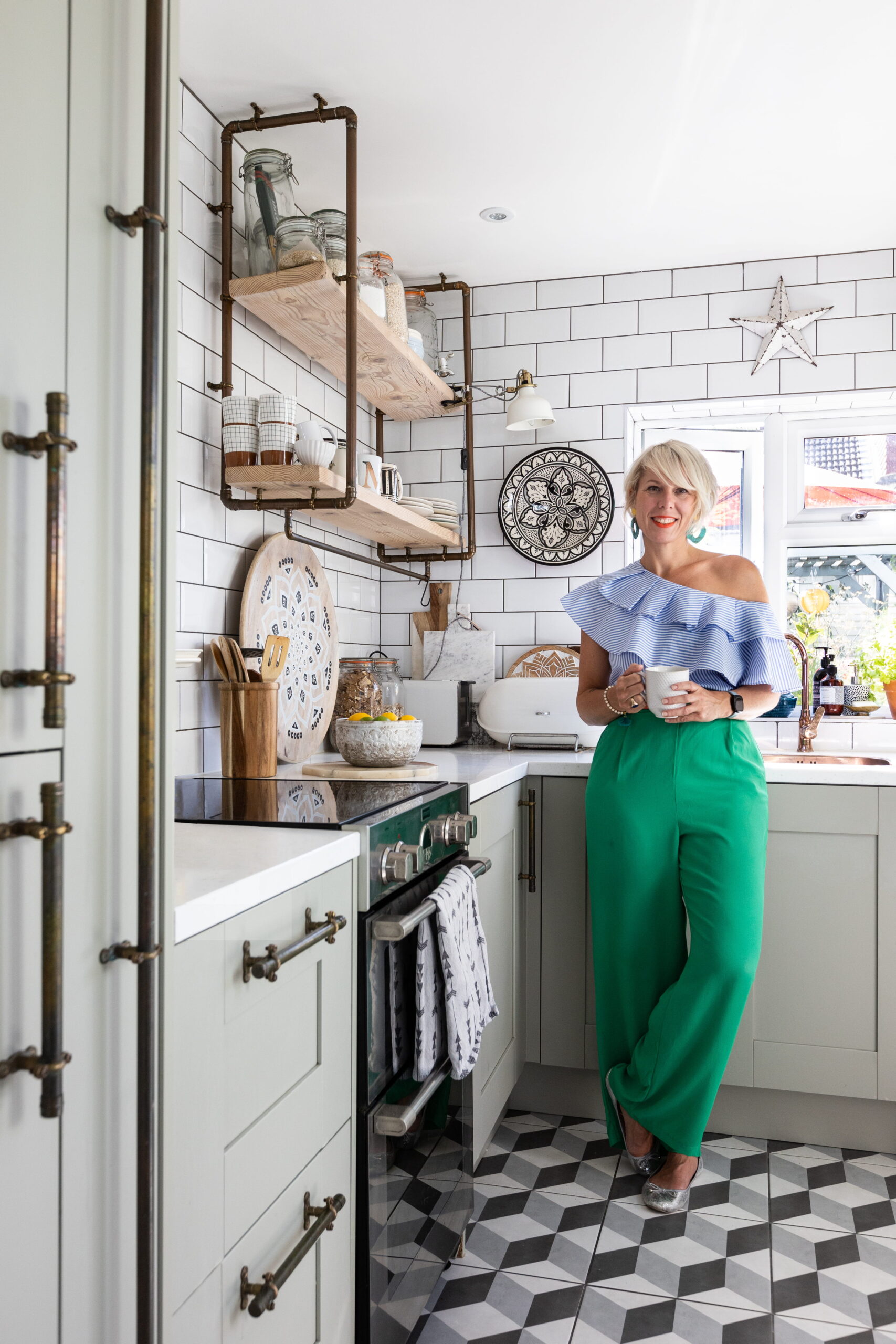
We asked Maxine for the single most common mistake and she did not hesitate,
Not leaving the crew alone to get on with their work. When you have rented your home to a professional crew for the day, your job is to be warm and welcoming when they arrive, show them around, answer any questions and then go out for the day.
It sounds simple. It is also the thing most new Hosts find hardest, because it is your home and the instinct to look after people in it is a good one. But hospitality on a shoot day looks different.
The team have rented your space to do a professional job. They cannot do that job properly if you are hovering, asking questions or, and this actually happened to me once, starting to cook lunch in the kitchen while we were trying to shoot it.
Welcome them properly, hand over the practical information, then go and enjoy a day out. The crew will thank you for it. More importantly, they will book you again.
The second point Maxine raised without being asked was cleanliness, and she is uncompromising about it.
The number of location houses I have walked into over the years that were genuinely not clean is quite shocking. Many times I have left a location cleaner than I found it.
Her standard is a professional cleaner the day before every shoot. Not a tidy-up. A proper clean.
A professional cleaner the day before a shoot, making sure the toilet is clean and there is loo roll, hand soap and a clean towel, is not optional, it’s the bare minimum.
Then there is the layer above the baseline, which costs very little and buys a great deal of goodwill.
Crews will appreciate coffee, tea, croissants and fruit left out for them first thing too. All these little details make an enormous difference and will mean your home gets booked again and again.
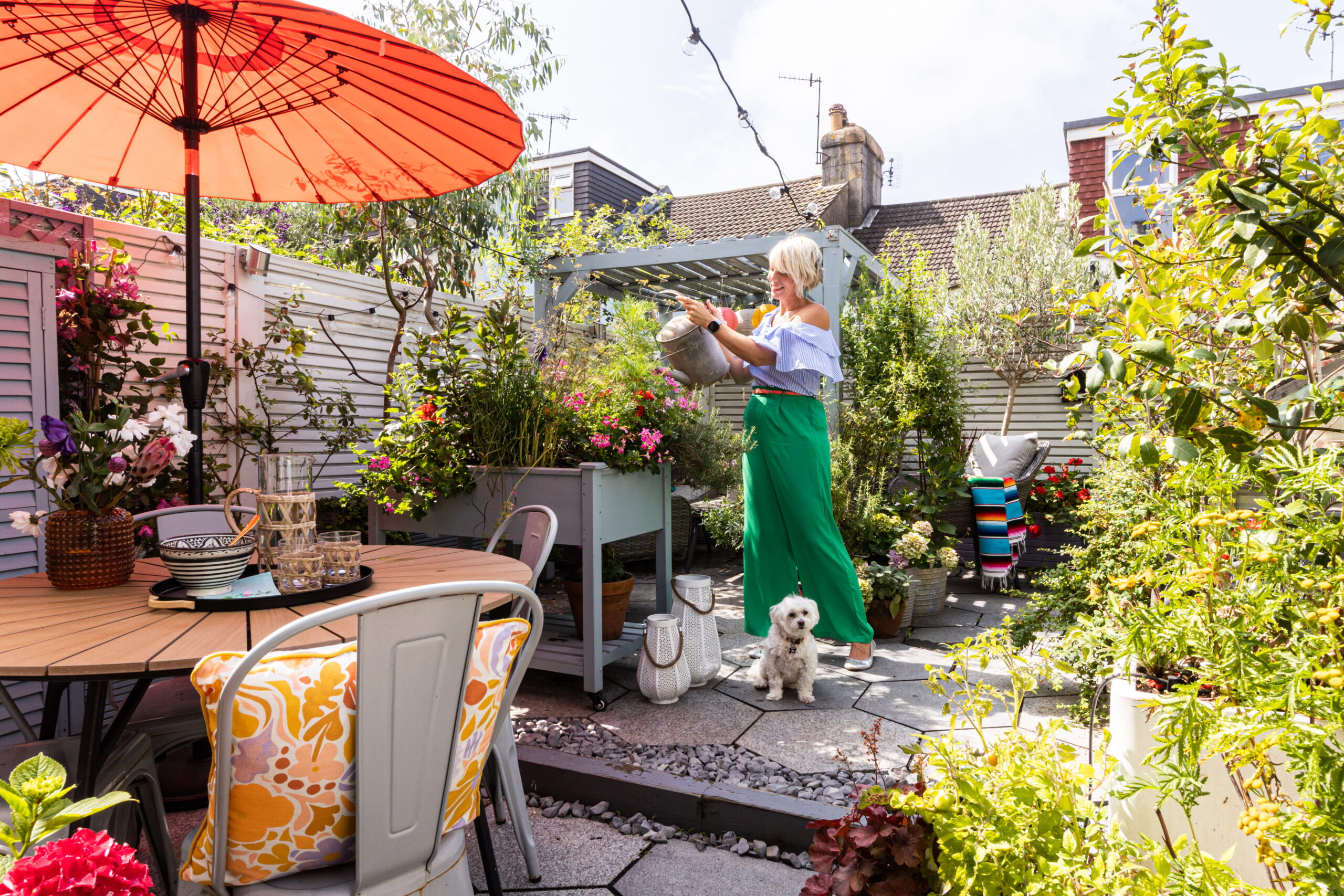
Every brief is different, Maxine says, but three criteria come up every time.
Does this space have a point of view? Is there something here that a camera will find interesting? A house that has been styled with genuine personality is always more compelling than one that has been neutralised into beige blandness.
This is permission, if you needed it, to stop sanding your home down into something inoffensive. The bold wall, the unusual art, the tiling you were slightly nervous about: those are the reasons a stylist will shortlist you.
Can the photographer pull back far enough to get the shots the brief requires? Are there surfaces for detail shots? Is there natural light? These are the practical questions that separate a beautiful home from a bookable location house.
Walk your own rooms with this in mind. Stand where a photographer would need to stand. If your back is against a wall, that is useful to know before a Creator finds out on the day.
The relaxed, welcoming host who trusts the crew and gets out of the way is genuinely one of my top three criteria. My worst shoot days in 27 years have almost always come down to a difficult host. My best ones have always involved someone who opened the door with a smile, showed us where the kettle was and left us to it.
One of her top three criteria is not a room. It is you. That is worth sitting with, because it is also the only thing on the list you can improve today, for free.
There is a meaningful difference between a house that gets booked and a house that gets rebooked. Maxine is blunt about where the value sits.
A house that can be refreshed and restyled between bookings so that it looks different each time is worth ten times more than a beautiful but static space.
She has engineered this into her own home with interchangeable sofa covers, accessories she updates regularly and walls she repaints when she wants a new look. A brand who shot there last year would return to a completely different space.
Classic quality in the bones, flooring, fixtures and architectural details, combined with personality that can be layered and changed. That’s the combination that keeps a location house working for years rather than just having one good season.
The practical version for a Host on a normal budget: invest once in the things that are hard to change, then treat cushions, throws, art, rugs and bedding as your rotating wardrobe. A refresh does not need to be a renovation.
It is a professional job, not a day out. The crew are there to work. They will move your furniture, they will rearrange your shelves, they will use your kitchen to make tea. This is all completely normal and everything will be put back. But you have to be comfortable with people in your home who are going to move things carefully around.
If that thought makes you uneasy, be honest with yourself before you list rather than discovering it mid-shoot. Most Hosts find the first booking is the only nervous one.
Then there is the twenty-minute job that has an outsized effect on how a crew remembers your home.
Have a welcome folder ready with parking instructions, local food delivery recommendations, the wifi password and the number of a local taxi firm. It takes twenty minutes to put together and it makes an enormous difference to how a crew feels about spending the day in your home.
The best feedback I ever get from a crew after a shoot day is that the host was so relaxed and lovely. That’s the goal.
Maxine sources homes for the interiors titles, so the final question was the obvious one: how does a Host actually get featured? These are her three tips, in her order of priority.
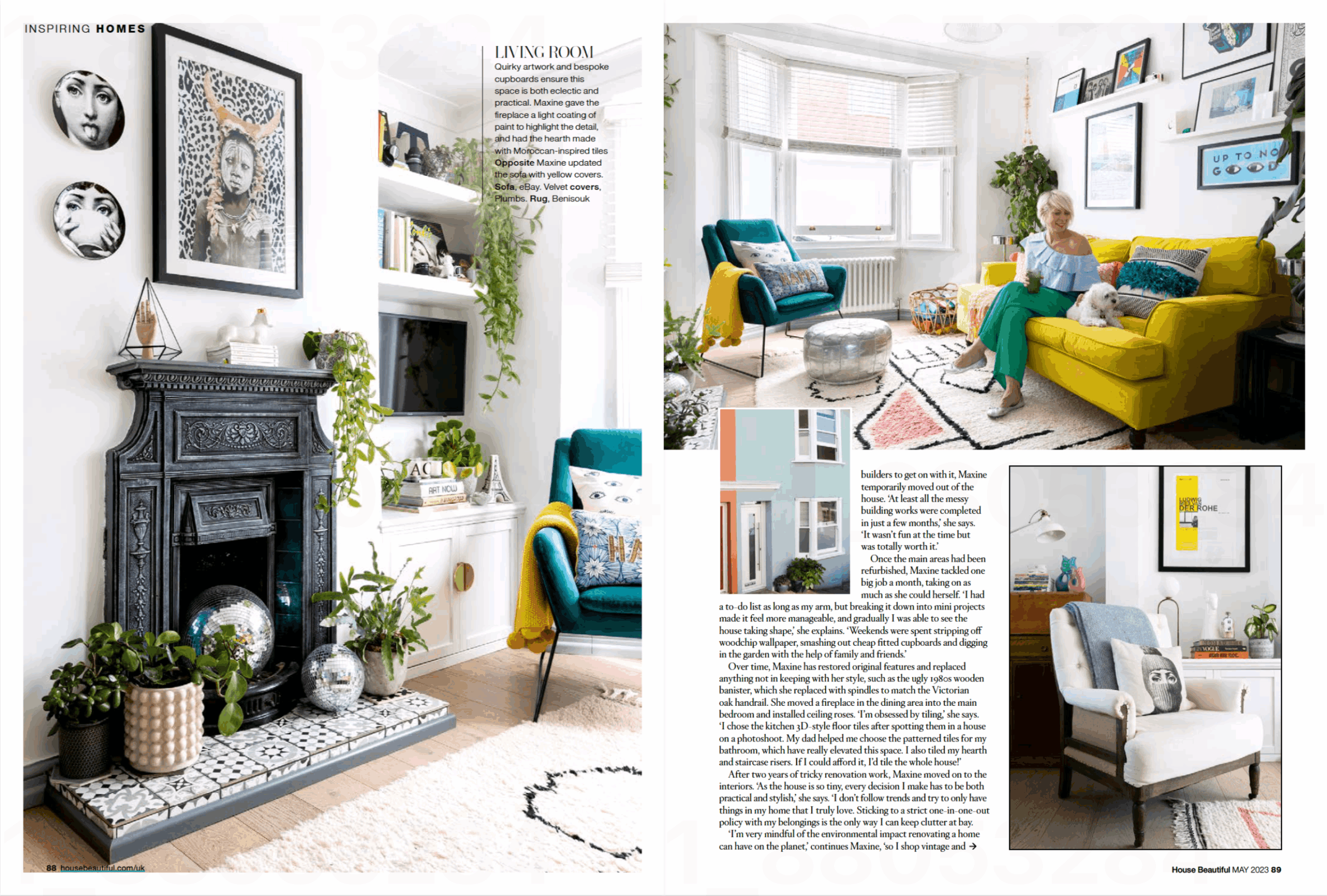
Not decorated. Finished.
Magazines want homes with personality, ideas and inspiration, not blank walls and empty shelves. Accessories, artwork, books, plants, textiles. The more considered and layered your home feels, the more interesting it is to shoot.
And for anyone assuming the magazines only want the grand and the enormous, this is the tip to read twice.
I look for UK properties that are real family homes, not huge mansions. Readers of interiors magazines want to see homes like theirs, so I’m always on the hunt for terraced homes, new builds, cosy cottages and real lived-in spaces.
Do this today: walk each room and find the one surface that is still empty. That is usually the shot that is missing.
A magazine needs several rooms, good light, and somewhere for the photographer to stand.
Good natural light, space for a photographer to work, a variety of different areas to shoot like a kitchen, a living room, a bedroom and an outside space if possible. The most beautiful room in the world is very hard to shoot if there’s nowhere to stand.
Do this today: count your shootable spaces. A kitchen, a living room, a bedroom and an outside space is the working minimum for a full feature.
This is the one most people get wrong, and it is the difference between being seen and being ignored.
Magazine teams are small and extremely busy. A stylist with editorial contacts, like myself, can get your home in front of the right editor far more efficiently than a cold email to a features inbox.
Do this today: identify two or three freelance interiors stylists or journalists whose work suits your home, and approach them rather than the magazine.
It is the route Maxine uses for her own house, and the results speak for themselves: a House Beautiful feature, a cover in August, and a Christmas issue appearance this December.
If your home has a point of view, room to shoot and a Host who can hand over the keys with a smile, we would love to see it. Apply to become a Styled Home Studios Host.


 Back