
Everything you need to know about choosing a shoot location, briefing your Host, and getting the images your clients need – from the questions real photographers ask every day.
If you’re a brand photographer – or a business owner planning your own shoot – finding the right location house can feel like the hardest part of the process. You need natural light at the right time of day, rooms that match your client’s brand colours, a kitchen that photographs well, and a Host who understands what a shoot actually involves.
This guide covers everything: how to choose a property, which rooms to use for different types of shots, what to ask before you book, and how to make the most of your time on the day. It’s written using the real questions photographers ask us – and the answers that actually help.
What makes a location house right for personal brand photography?
A personal brand shoot is different from a product shoot or a commercial campaign. Your client needs images that feel like them – their workspace, their lifestyle, their personality – while also being polished enough to use on their website and social media. The location does a lot of that work.
The properties that work best for personal brand shoots tend to share a few qualities: good natural light throughout the day, a mix of spaces that can be styled differently, neutral tones that don’t fight with clothing or brand colours, and a Host who is comfortable with a small team moving through the house for a few hours.
Most personal brand shoots involve just two or three people – the photographer, the client, and occasionally a hair and makeup artist or an assistant. You won’t need the whole house, but you will want flexibility: the kitchen for some shots, the living area for others, perhaps a bedroom corner or home office if the client’s business calls for it.
Which rooms do you actually need?
Before you enquire about a property, it helps to have a rough shot list in mind. Different rooms serve different purposes in a personal brand shoot, and knowing what you need makes it easier to assess whether a property is the right fit.
A note on room availability: most Hosts live in their properties, so certain rooms may not be available on every shoot day — a guest room that doubles as storage, a child’s bedroom that isn’t photo-ready, or a bathroom mid-renovation. Always confirm which spaces will be available before booking, and be specific about what you need.
Natural light: the question photographers ask most
The single most common question we see photographers ask before booking is about natural light. Which direction does the kitchen face? When does the living room get the best light? Will there be direct sunlight through the windows at midday?
This matters more than almost anything else. A south-facing kitchen that looks beautiful in the morning can become difficult to shoot in by early afternoon when the sun is streaming directly through the windows. A north-facing room stays consistent all day but may feel flat in winter. Hosts can add to their listing whether their garden is North, South, East or West facing to give you an initial idea of how the house is orientated but you can get more information during your enquiry.
What to ask when you enquire:
The best Hosts know their property’s light well and will tell you: “The kitchen gets morning light from the front and it comes round to the back by midday – best to shoot early.” That kind of specific answer saves you from booking something that won’t work for your shoot time.
What time of year is best for a personal brand shoot in a location house? Spring and early autumn tend to offer the best combination of light quality, manageable weather, and garden availability. Summer gives you longer hours and the option of outdoor shots, but direct sunlight can be harder to manage indoors. Winter shoots work well in properties with good artificial light or large windows — many Hosts leave their Christmas decorations up through December, which some clients love for seasonal content.
How to brief a Host before you book
A good pre-booking message does three things: it tells the Host what the shoot is for, gives them a sense of the team size and rooms you need, and asks the practical questions that will affect whether the property works for you.
Hosts appreciate a clear brief. It helps them prepare the right spaces, arrange cleaning, and understand what to expect on the day. A message like this works well:
Example enquiry message: “Hi, I’m a personal brand photographer and I’m looking for a location for a shoot for my client, who is a [nutritionist / business coach / aesthetics doctor]. It’ll be just the two of us. I’d like to use the kitchen and living area, and possibly a bedroom if you have one available. Could you let me know availability for [date], and what time of day the kitchen gets the best light? Thank you.”
The clearer your brief, the faster you’ll get a useful response — and the more likely the Host will have everything ready when you arrive.
What Hosts need to know before your shoot:
Crew size and what “small team” means in practice
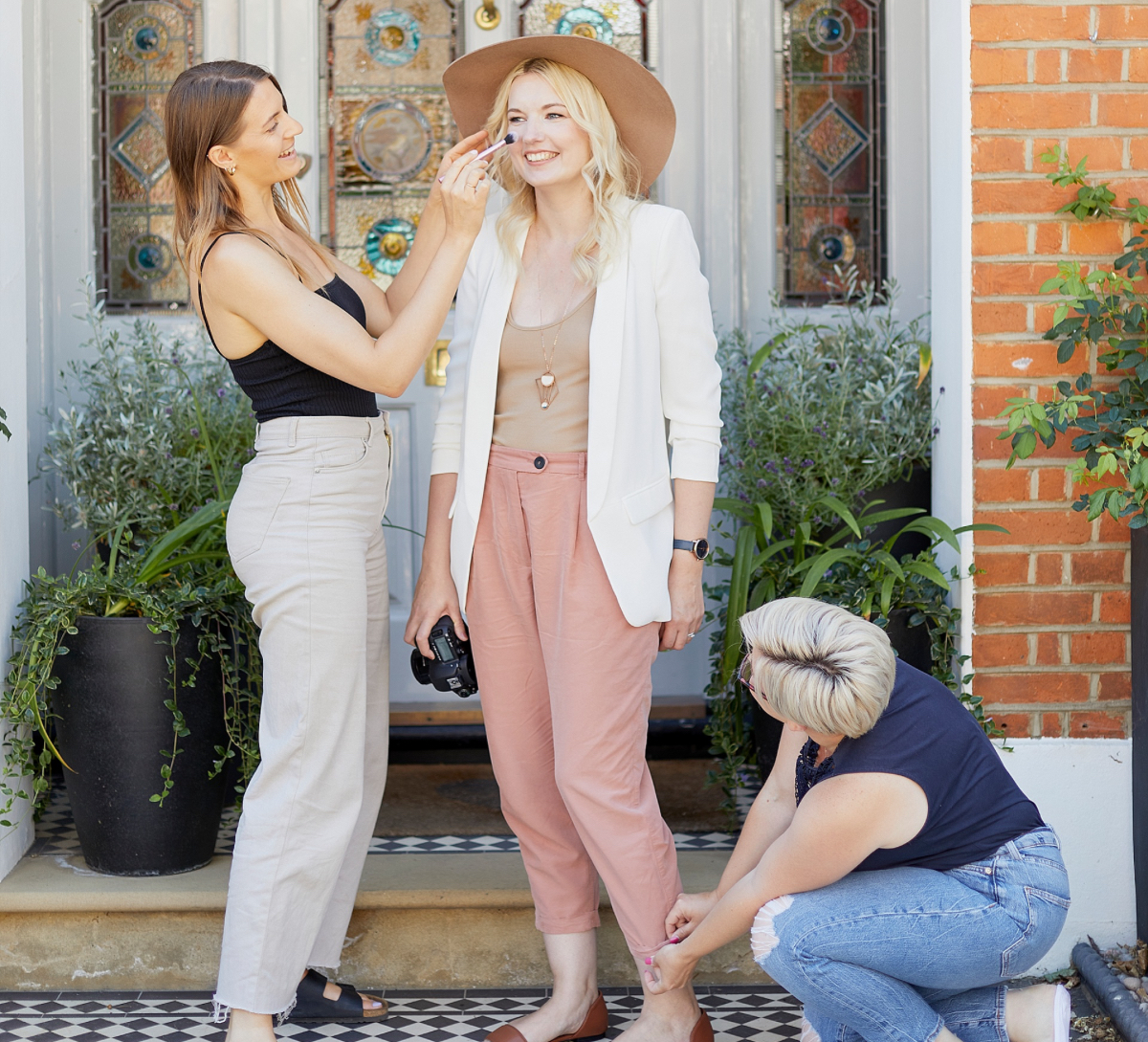
Personal brand shoots are typically small — often just two people. But the term covers a range. Some photographers work entirely alone with their client. Others bring a hair and makeup artist who stays for the first hour and then leaves. A few work with a videographer alongside them to capture behind-the-scenes B-roll for social media.
When you enquire, be specific about the maximum number of people who will be in the property at any point. Most Hosts hosting personal brand shoots are comfortable with two to four people. Some are happy with more — others, particularly those still living in the property with young children, need to plan around it.
Good to know: if your shoot involves a hair and makeup artist arriving first, let the Host know. Many photographers send their client to the MUA before arriving at the location — so the MUA may arrive, do their work in one area, and leave before the main shoot starts. Hosts find it helpful to know this in advance so they can plan around access.
How long should you book for?
Most personal brand shoots run for two to four hours. If you’re shooting across multiple rooms with multiple outfit changes, four hours gives you breathing room. If it’s a focused two-hour session in the kitchen and living area, that’s often enough.
A few practical considerations:
Running a mini shoot day: booking one location for multiple clients
A growing number of photographers now book a location house for a full day and bring several clients through in back-to-back sessions — typically 60 or 90 minutes each, with a short buffer between arrivals. This model, sometimes called a shoot house tour or a shared brand shoot day, is an efficient way to offer personal brand photography at a more accessible price point.
If you’re running a mini shoot day, there are a few things to make clear when you enquire:
Most Hosts are very happy to accommodate this model once they understand what it involves. The key is to be transparent from the start — not because it is unusual, but because it helps the Host prepare the property appropriately and understand what the day will look like.
Dogs, children and other practical questions
Can my client bring their dog? Dogs are a common part of personal brand shoots — they are often central to a client’s identity and appear regularly in website and social content. Some Hosts are happy to welcome well-behaved dogs; others have their own pets who may not react well. Always ask before assuming, and mention the breed and size in your message.
Can children be included in the shoot? Yes, in many cases. Some clients — particularly those whose brand has a family or lifestyle dimension — want images with their children. Let the Host know in advance, and confirm which rooms will be accessible. A children’s bedroom or family kitchen tends to work well for these shots.
Can I use the coffee machine, tea and other facilities? Most Hosts are happy for Creators to use tea and coffee facilities — it often makes the shoot more natural, and a real cup of coffee photographs better than a prop. Ask in advance and confirm whether you need to bring your own pods or beans.
Can I bring my own props or move furniture? Generally yes, within reason. It’s worth mentioning any specific props you’re bringing, and asking whether the Host is comfortable with light furniture rearrangement. Most Hosts ask that everything is returned to its original position before you leave.
Do I need public liability insurance? Yes. Public liability insurance is a requirement for all shoots booked through Styled Home Studios. If you’re a professional photographer, you almost certainly already have this as part of your business insurance. If you’re a business owner booking directly without a photographer, you’ll need to arrange cover before booking — day policies are available at low cost from specialist providers.
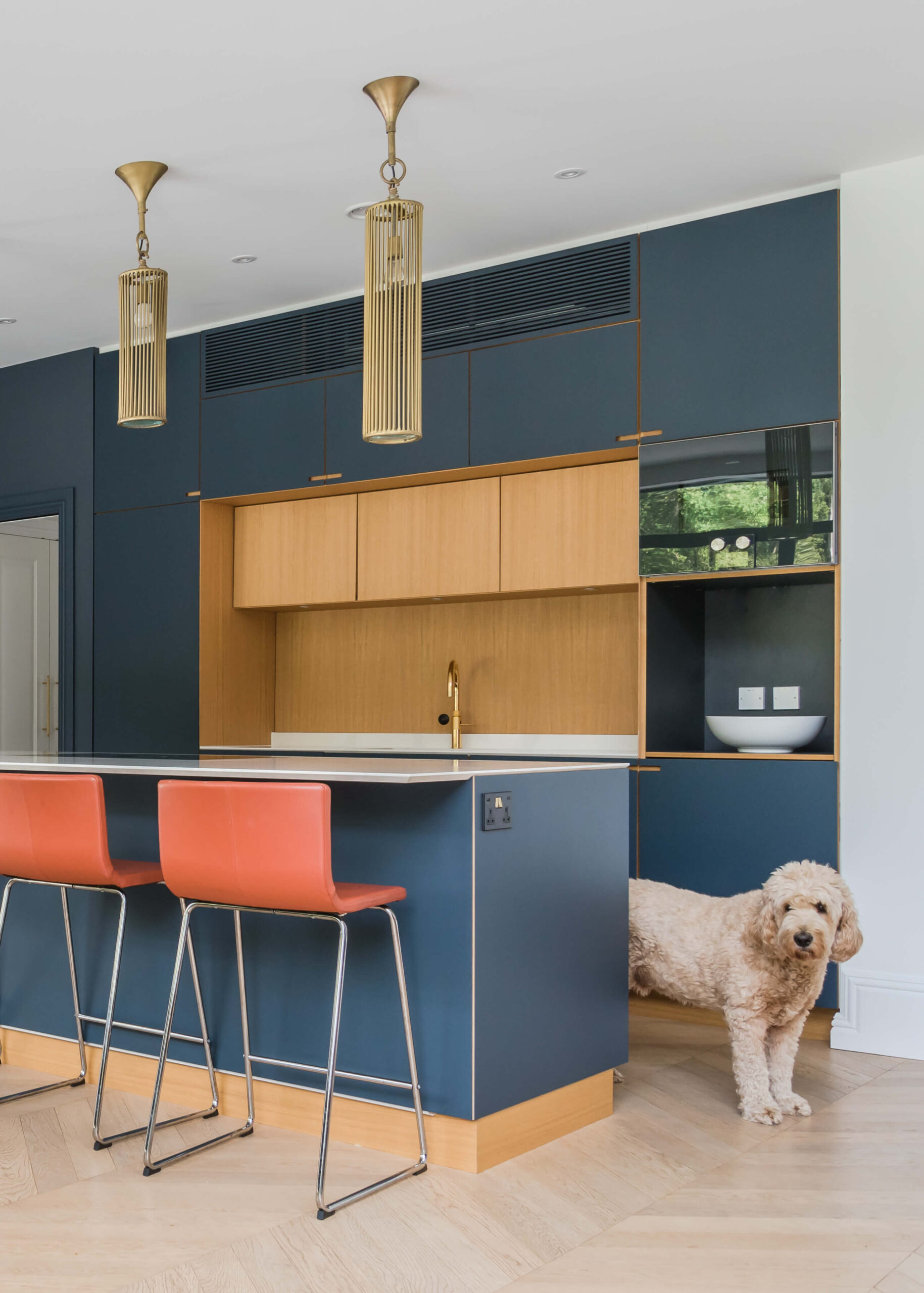
Ready to find your location?
Styled Home Studios has over 500 curated properties across the UK, primarily in London and the South East, with a growing portfolio across Manchester, Liverpool and the Midlands. Every property is reviewed before listing, and Hosts are experienced in welcoming photographers and their clients.
Browse by region, style or property features – and if you have a specific brief, our team can help you find the right match.

 Back
Back