

Which direction matters, what to ask before you book, how light changes through the day and across seasons – and why the question photographers ask most often is also the one most listings fail to answer.
Ask any photographer what they need most from a location house and the answer comes back the same way almost every time: good natural light. The kind that comes through large windows in the morning and wraps around a kitchen in a way that no amount of equipment can fully replicate.
And yet most location house listings tell you almost nothing about light. You get photos, often taken on the best possible day at the best possible time, that show a room flooded with soft even brightness. What they don’t tell you is that the room faces north and looks like that for about forty minutes a day in midsummer. Or that the beautiful light in the kitchen comes from the west and doesn’t arrive until 2pm.
This guide is for photographers and Creators who want to understand what to look for, what to ask, and how to assess whether a property will actually work for the shoot they have planned.
Why natural light matters more than any other factor
Natural light is the difference between images that feel alive and images that feel flat. It creates dimension, it brings warmth, it reveals texture in surfaces and fabric, and it does something to skin that artificial light rarely achieves. For personal brand photography, product shoots and lifestyle content, natural light is not a preference – it is a requirement.
The challenge is that natural light is not a fixed thing. It changes by the hour, by the season and by the weather. A room that photographs beautifully on a bright October morning at 10am may be completely unusable at 2pm when direct sunlight is pouring through the windows and blowing out everything in the frame. Understanding how light moves through a property is as important as knowing the property exists.
What photographers actually say about this: in real booking conversations, photographers consistently ask about light before almost anything else. “What time of day does the kitchen get the best light?” “Is there direct sunlight through the main windows, and at what time?” “The house is south facing – what does that mean for shooting in the afternoon?” These are not edge case questions. They are the first questions experienced photographers ask because they know that getting this wrong costs them the whole shoot.
Understanding compass orientation: the most important thing you can know
The direction a room faces determines everything about when it gets light, what quality that light is, and how long it lasts. This is the single most useful piece of information a Host can give you – and one of the first things worth asking about before you book.
South-facing — Bright all day, strongest in the middle of the day. South-facing rooms get the most total light of any orientation. In summer the light can be very strong and direct, making it harder to manage midday. In winter the lower sun angle means soft, beautiful light that lasts longer through the morning and afternoon. Generally the most desirable orientation for photography, but requires care in summer around the middle hours.
North-facing — Consistent, cool, diffused — no direct sun. North-facing rooms never receive direct sunlight in the UK. The light is consistent throughout the day and has a cool, even quality. This is predictable and controllable, which many photographers prefer. The downside is that on grey or overcast days the light can feel flat. On bright days it is often ideal — soft, even and flattering.
East-facing — Beautiful morning light, fades by midday. East-facing rooms get the best light in the morning — warm, directional, and often golden in quality. By mid-morning the direct light has moved on, and the room settles into a softer, more diffused brightness that usually lasts until early afternoon. Book east-facing rooms for morning shoots. They become noticeably darker in the afternoon.
West-facing — Comes alive in the afternoon, strong toward evening. West-facing rooms are quiet in the morning — often perfectly usable but without strong directional light. From early afternoon onward the light builds and by late afternoon can be warm, directional and genuinely beautiful. In summer the evening light in a west-facing room is some of the best available. Book west-facing rooms for afternoon and early evening shoots.
Many properties are described as “south facing” overall, meaning the front of the house faces south — but individual rooms may face different directions entirely. A south-facing front reception room and a north-facing rear kitchen in the same house will behave very differently through the day. When you ask about orientation, ask about the specific rooms you plan to shoot in, not the property as a whole.
How light moves through a property in a typical day
Understanding the arc of light through a day helps you plan your schedule and decide when to use which room. Here is how a typical UK day looks across different spaces on a bright day in spring or early autumn. We ask our locations to add the orientation of the home using the garden for reference so this should give you a head start and basic understanding of the light at the front and back of the location.
South-facing kitchen, morning — Warm, directional light through windows. Often the best time to shoot a south-facing kitchen.
South-facing kitchen, midday — Direct overhead sun can be intense. Blinds or curtains help significantly here. Difficult to manage in summer without diffusion.
North-facing living room, all day — Consistent, even light throughout. Predictable and controllable. Best on bright days — can feel flat when overcast.
East-facing study, morning — Often the best room in the house before 11am. Warm directional light ideal for desk-based brand shots.
East-facing study, afternoon — Light fades significantly. Usable but noticeably darker. Plan desk shots for the morning session.
West-facing garden room, afternoon — Comes alive from 1–2pm onward. Warm, directional and often the most beautiful light of the day in summer.
What to ask a Host about natural light
Most Hosts are not photographers. They know their home intimately, but they may not naturally think about light the way you do. Asking the right questions helps them give you useful answers — and quickly reveals whether a property will work for your specific brief.
The questions worth asking before any booking:
A Host who can answer these questions with confidence, “The kitchen gets morning light from the front and it comes round to the back by midday, best to shoot the kitchen early”, is a Host who has thought about their property’s light and likely hosted photographers before. That kind of specific, observational answer is one of the most reassuring things a photographer can hear before booking.
Ask for photos taken at different times of day. The listing photos were probably taken at the best possible time. Before booking for a morning shoot, it is completely reasonable to ask the Host: “Could you take a quick photo of the kitchen at around 9am on a normal day and send it to me?” Most Hosts are happy to do this, and it tells you more than ten listing photos ever could.
Dual-aspect properties: why they are so valuable
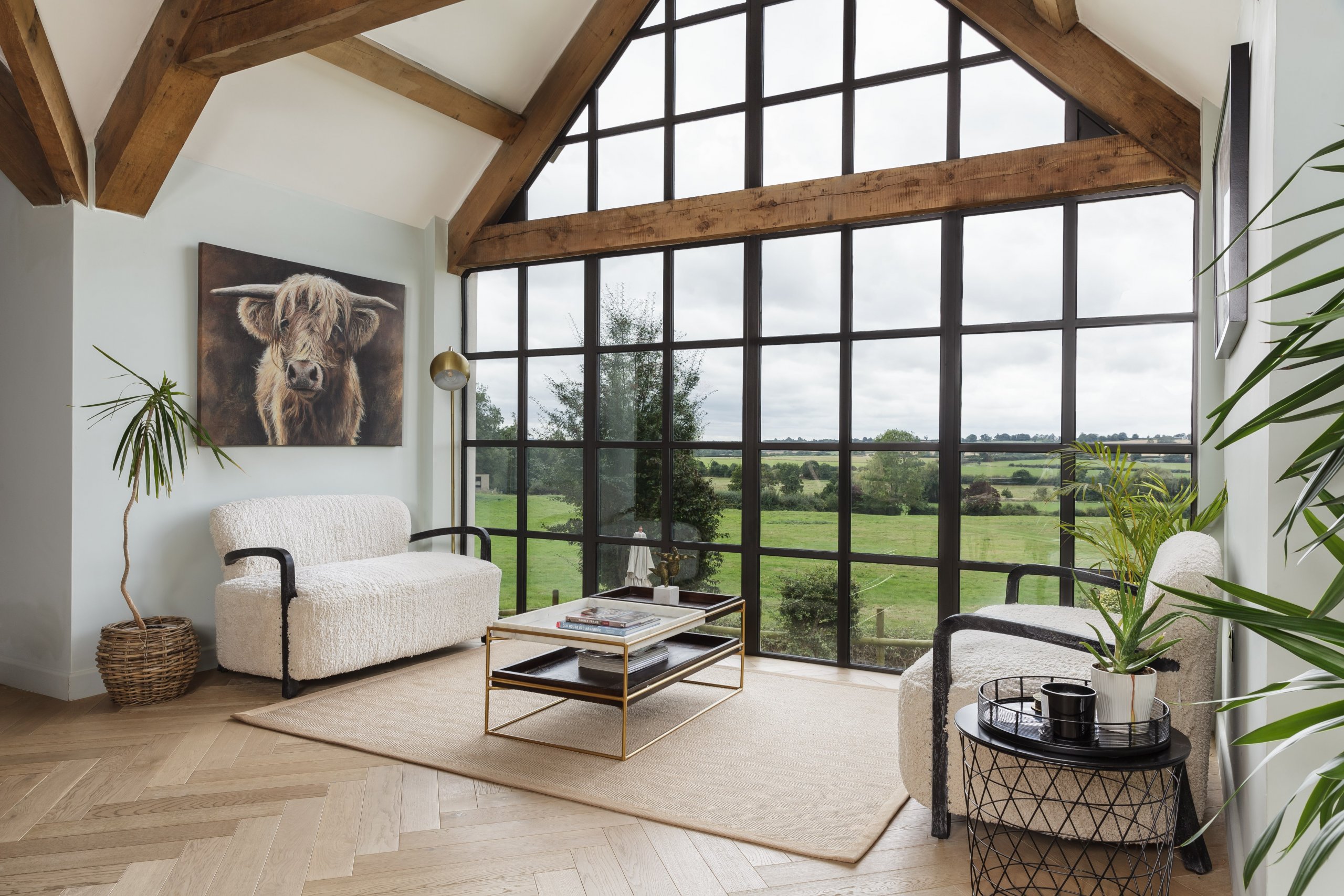
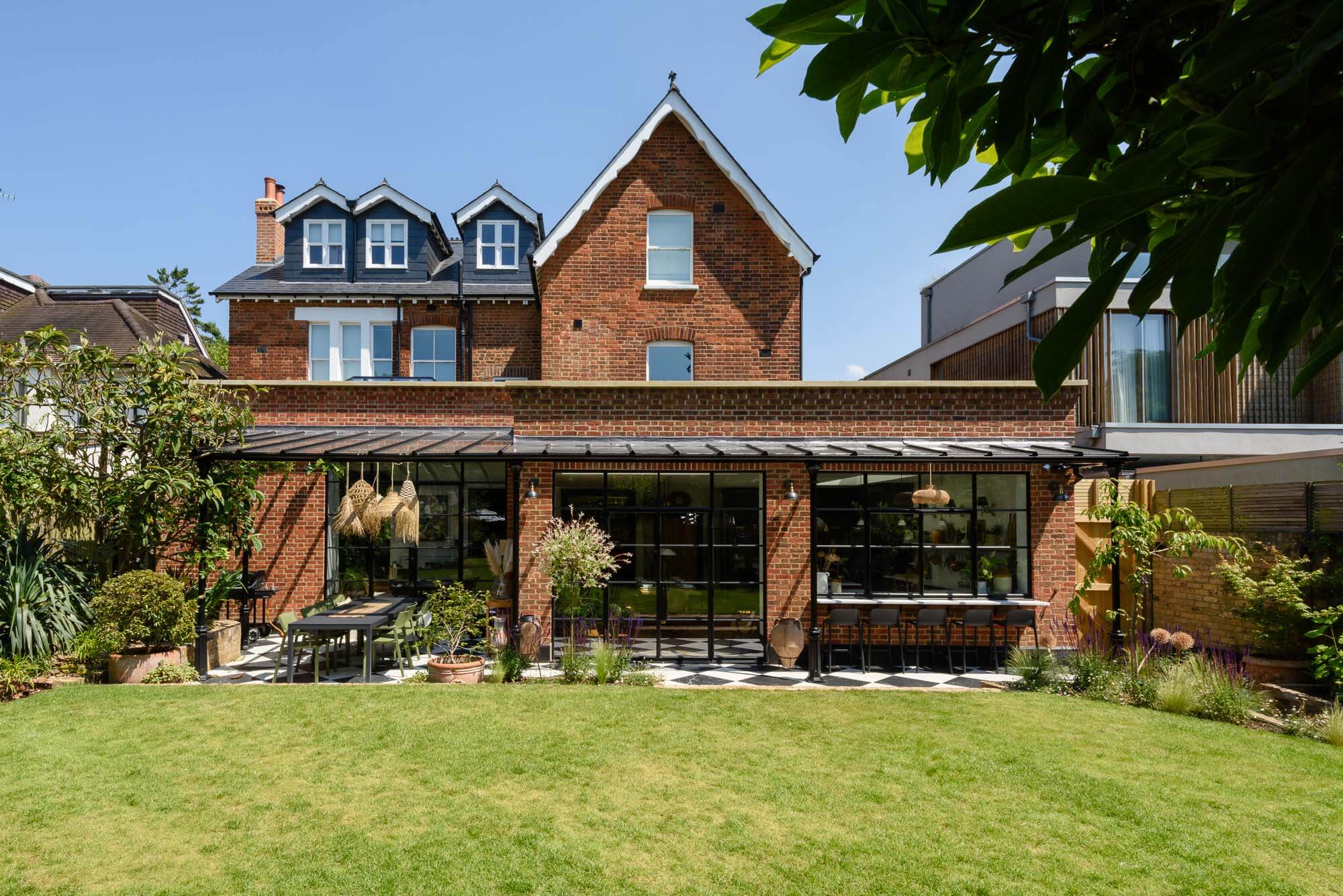
A dual-aspect property (one where rooms face two different directions, or where the house has significant windows on both the front and rear) is particularly valuable for a full-day shoot. Because you are not dependent on a single orientation, you can move between rooms as the light moves through the day and maintain consistent quality across the whole session.
A property described as “south east facing” with a dual aspect means the living rooms get morning light while the rear kitchen or garden room gets afternoon light. For a brand photographer running sessions from 9am to 4pm, this is close to ideal — you are always one room away from good light, regardless of the time.
When you see “dual aspect” mentioned in a listing, it is worth asking specifically which rooms benefit from which orientation, and what the practical effect is on light quality through the day.
How seasons change everything
Spring — Often the best shooting season in the UK. The sun is rising in angle, giving warmer directional light. Days are lengthening. Gardens are beginning to come alive. Light quality in the morning and afternoon is consistently good. Weather is unpredictable but the light when it appears is beautiful.
Summer — Long days and strong light. The high sun angle makes midday shooting difficult in south-facing rooms. Early morning and late afternoon are the golden windows. West-facing rooms in summer evening light are exceptional. Gardens work well throughout the day in diffused summer light.
Autumn — The sun drops in angle and the quality of light changes — warmer, softer, more golden. Many photographers consider autumn light the most beautiful of the year. Shooting windows in the middle of the day become usable again as the overhead intensity reduces. Outdoor shots work well in September and October before the foliage drops.
Winter — The shortest days mean a compressed shooting window, typically 10am to 3pm in December. Light quality on bright winter days can be stunning, particularly in south-facing rooms where the low sun angle sends long shafts of warm light deep into the space. On grey or overcast days, some properties struggle. Look for listings that mention good artificial light or large windows specifically for winter bookings.
What “good natural light” actually means for different shoot types
Personal brand and portrait photography — You want soft, even, flattering light — ideally coming from one side to give dimension to your subject’s face without harsh shadows. A large window to the side of your subject, in a room that gets good but not direct light, is close to ideal. North-facing rooms work very well for this. East-facing rooms work well in the morning. Avoid rooms where direct sunlight creates bright patches on the background or harsh highlights on skin.
Product and lifestyle photography — Product shots often benefit from softer, more diffused light that shows texture and colour accurately. Strong direct sunlight creates specular highlights on shiny surfaces — packaging, glass, ceramics — that can be difficult to manage. A bright but north-facing room, or a south-facing room with good blinds, gives you controllable, consistent light that works well for product work across a full day.
Social media content and video — For short-form video content shot on a phone or mirrorless camera, you need enough ambient light to avoid grain or noise without needing to rely on artificial sources. Properties described as “fully natural daylight studios” or “bright throughout the day” are worth prioritising. Check whether the Host mentions overcast days specifically — a property that needs strong sunshine to look good is a risk for a video shoot day.
Outdoor and garden shoots — Garden shots are highly weather dependent in the UK. For outdoor photography, an overcast day is often better than a sunny one — the cloud acts as a giant diffuser and gives you even, shadow-free light across the whole scene. A south-facing garden in full sun at midday is one of the harder environments to shoot in well. A sheltered decked area with some shade, or a garden that faces east and gets its best light in the morning, gives you more options.
Blinds, curtains and light control
One of the most useful but least-mentioned features in a location house listing is light control. Blinds, shutters and curtains transform a space from “difficult in direct sunlight” to “workable throughout the day.” A property with large south-facing windows and no blinds is genuinely hard to shoot in at midday in summer. The same property with good roller blinds or linen curtains becomes controllable and versatile.
When you enquire, ask specifically: “Do the main windows have blinds or curtains that can be drawn or adjusted?” It is a quick question with a significant impact on how usable the space will be for your shoot.
The property that is honest about its light: the most trustworthy Hosts are the ones who tell you the truth about their property’s light — including its limitations. A Host who says “the kitchen is at its best in the morning; by mid-afternoon it’s less good” is giving you genuinely useful information. A listing that only shows photos taken on a perfect summer day at 10am is hiding half the story. Prioritise Hosts who answer your light questions with specific, observational detail rather than reassurance.
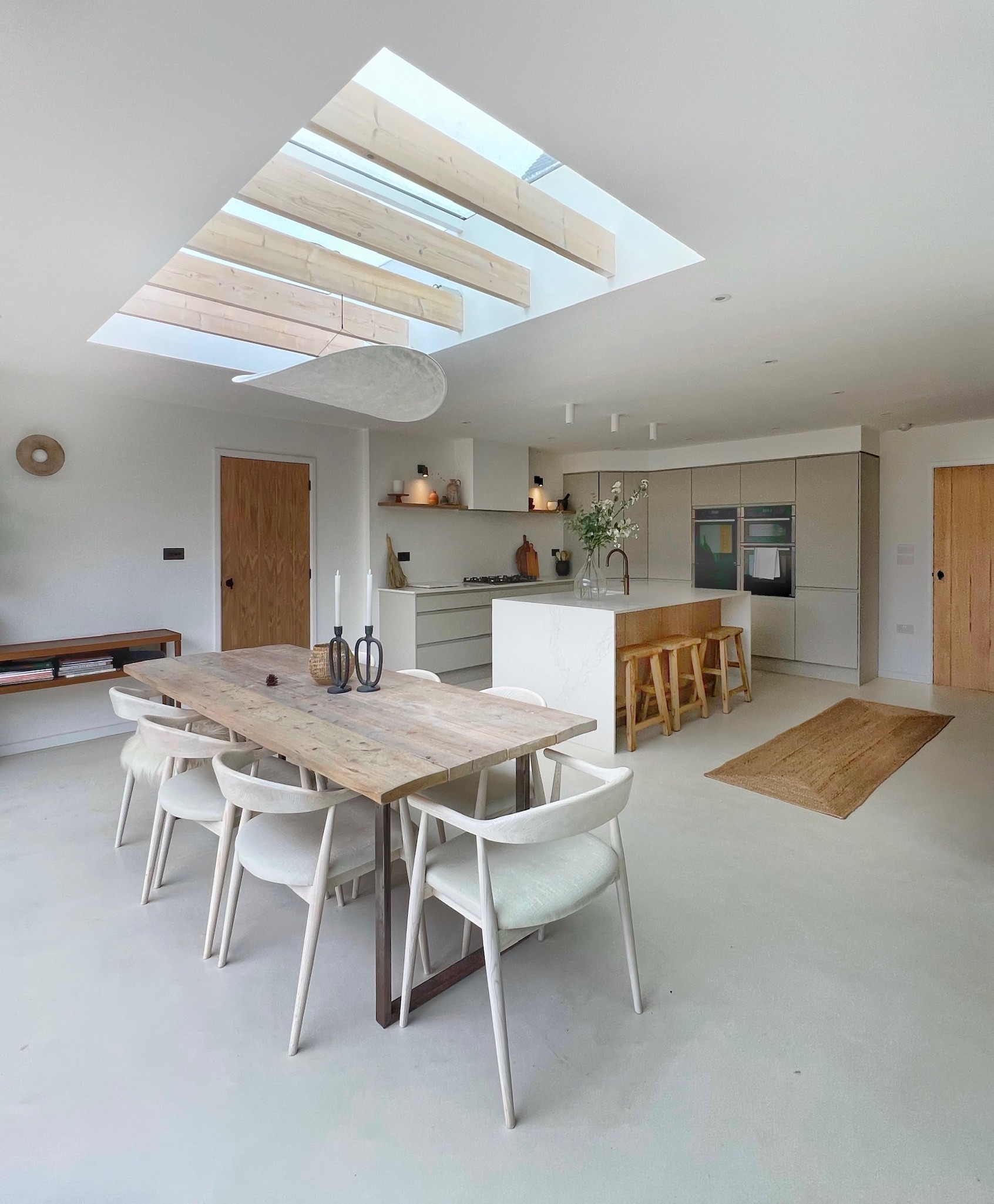
Something we see a lot is the need to block out light from kitchen skylights. It is always worth asking the Host if there is a way to safely block this light and most will be able to tell you from previous shoot experience.
Common questions about natural light in location houses
Can I shoot in a location house in winter? Yes — with the right property and realistic expectations about the shooting window. Winter daylight in the UK typically gives you a usable window of around 10am to 3pm for natural light photography, shorter on grey days. Look for properties with large windows, south-facing main rooms, and Hosts who mention good light specifically in their listing. Many photographers find the quality of winter light — low, warm and directional on bright days — genuinely beautiful.
What happens on an overcast day? An overcast day is not a disaster — it is often genuinely useful. Cloud cover acts as a natural diffuser, giving you soft, even, shadow-free light across the whole space. The challenge on overcast days is that rooms feel darker overall, which means slower shutter speeds or higher ISO settings. Properties with large windows and light interiors handle overcast days much better than those with small windows or dark walls and furniture.
Is a fully natural daylight studio different from a normal location house? Some properties list themselves specifically as natural daylight studios — meaning they are set up with photography in mind, often with large skylights or floor-to-ceiling windows designed to maximise ambient light. These properties typically provide excellent light across a longer window of the day and in more variable weather conditions. They tend to be more clinical in feel than a lived-in home, which suits some shoot types better than others.
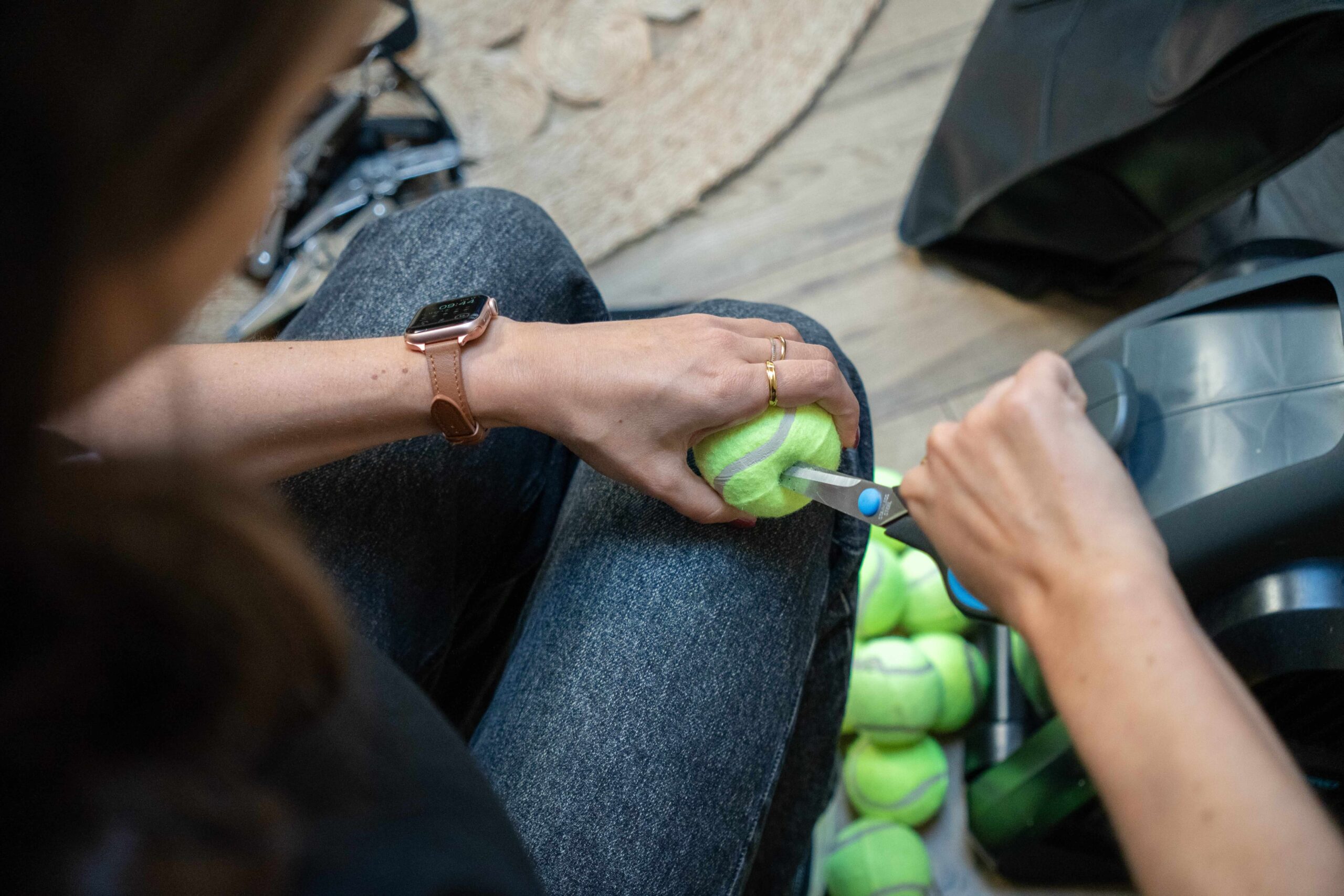
Should I bring portable lighting as backup? For personal brand and portrait work, many photographers choose not to — the whole point of shooting in a beautiful real home is the ambient feel, and artificial lighting changes that significantly. For smaller product work, a small LED panel or reflector can be genuinely useful to fill shadows on overcast days without compromising the natural feel. If you are planning to fully control the lighting and bring in lots of equipment please make sure floors are protected (we’re big fans of the tennis ball hack – IYKYK).
Which direction is best for a kitchen shoot? South or east facing, shot in the morning, is the most consistently reliable combination for kitchen photography. The light is directional enough to create dimension on surfaces and textures, but hasn’t reached the intensity of midday. A south-facing kitchen with good blinds gives you the most flexibility — you can diffuse the strong midday light and still shoot comfortably across a longer window of the day.
Finding a property with the right light for your shoot
When you browse Styled Home Studios properties, use the enquiry system to ask about light specifically. The questions in this guide are the right ones to ask – and the Hosts on our platform have experience welcoming photographers and answering exactly these questions.
If you have a specific brief – a morning portrait session that needs east-facing light, a full-day product shoot that needs consistent north-facing brightness – mention it when you enquire. It helps us and your Host match you with the right space more quickly.

 Back
Back